Learn a system
Start with Foundations, then jump into cells, cytokines, tissues, and reference nodes.
Example: TH2 immunity -> IL-4 -> eosinophil -> lung tissue -> asthma/hay fever lens.
User guide
Immune OS is a living systems immunology atlas. Use it to learn mechanisms, trace relationships, test conceptual state changes, and organize clinical reasoning patterns. It is educational, not diagnostic.
New to Atlas
Choose a question, follow three or four connected stops, and finish with the source record and uncertainty boundary.
Explore journeysApproved professional
Use response traces, graph traversal, reasoning tools, and local review trails only after entering the protected professional workspace.
Open Atlas Professional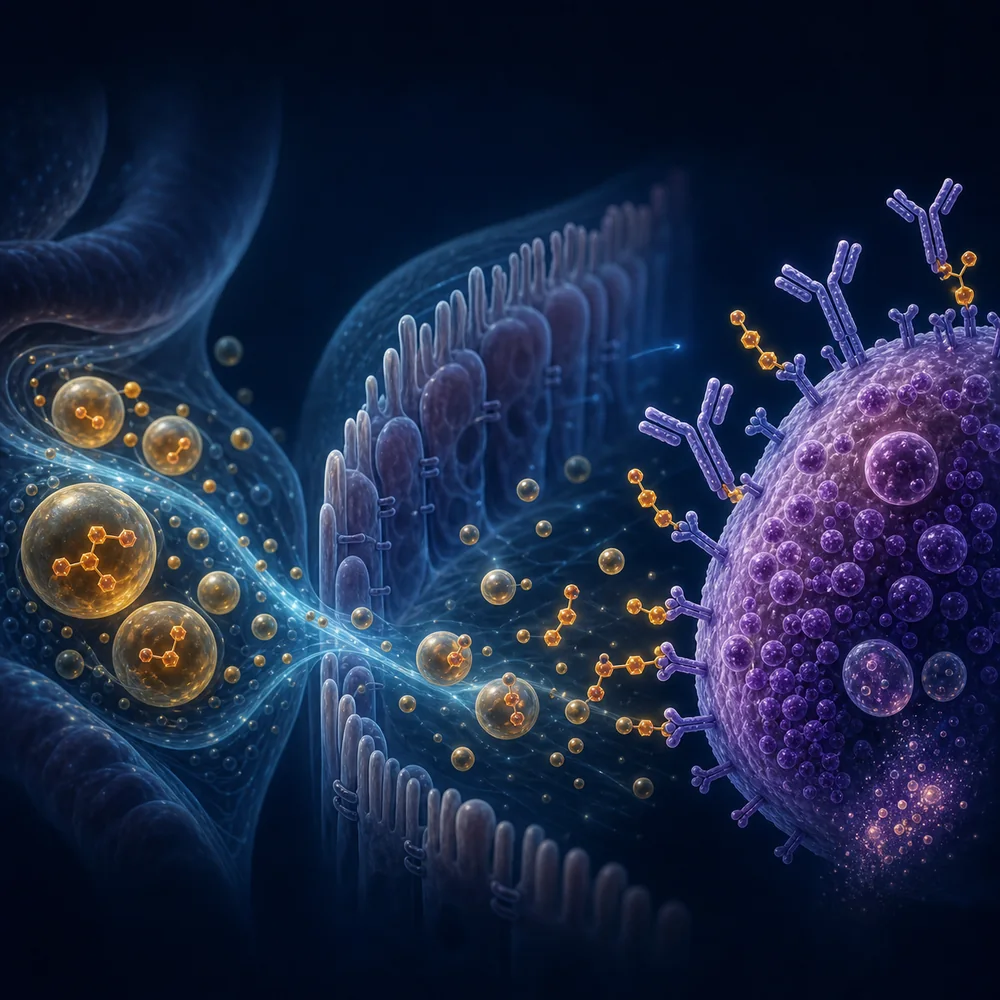 Educational illustration
Exposure to delayed response
Follow the glycan exposure, IgE recognition, mast-cell threshold, cofactors, and delayed reaction pattern without turning the mechanism into a diagnosis.
 Educational illustration
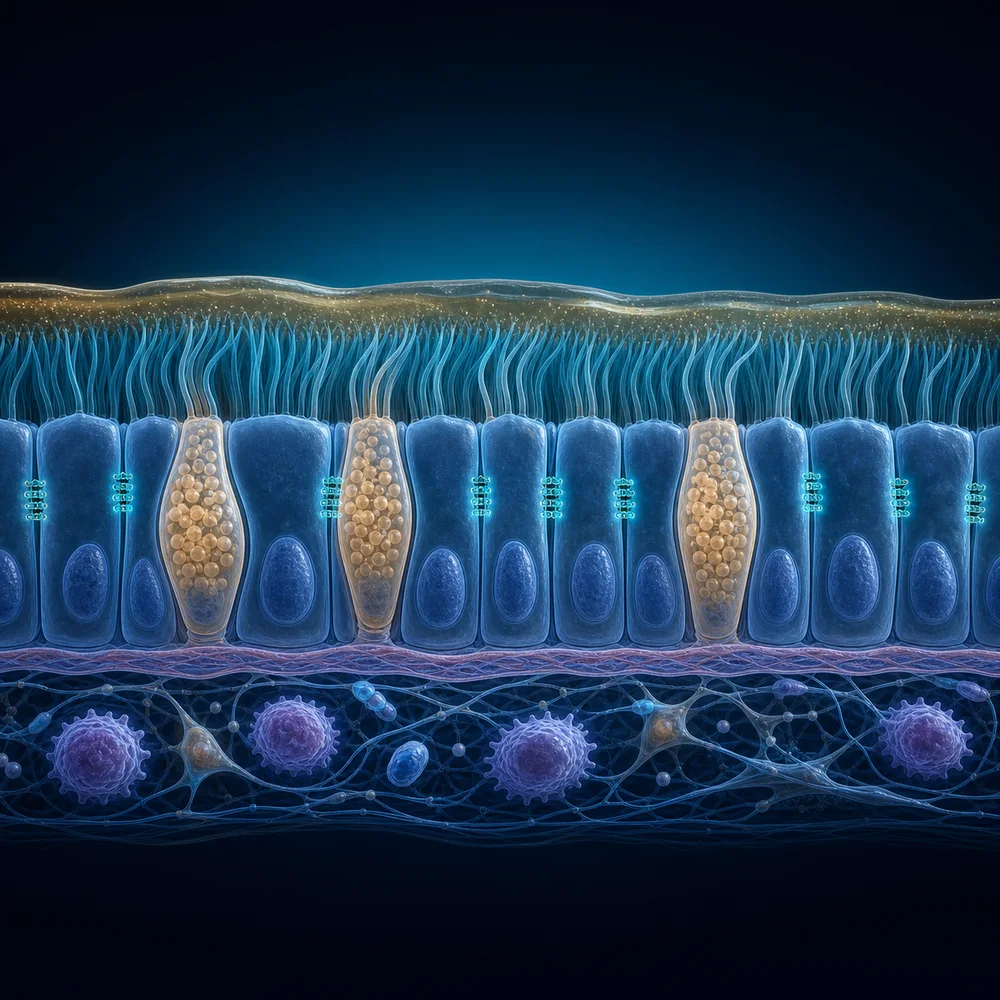
Tissue alarm to type 2 ecology
Move from airway barrier sensing to IL-33, mast-cell activation, and the wider type 2 immune pattern.
 Educational illustration
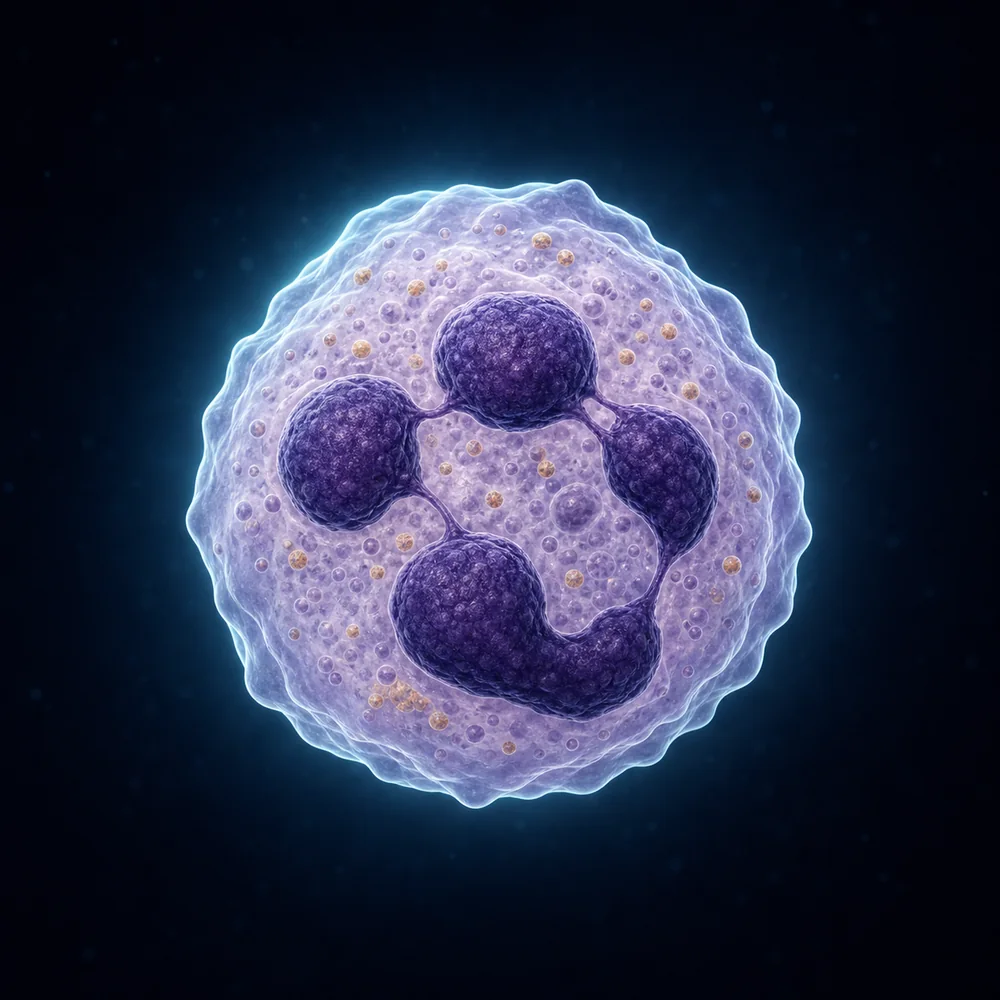
Barrier defense to resolution
Follow the airway ecosystem, CXCL8 recruitment signal, neutrophil response, and the balance between microbial defense and tissue injury.
Start with Foundations, then jump into cells, cytokines, tissues, and reference nodes.
Example: TH2 immunity -> IL-4 -> eosinophil -> lung tissue -> asthma/hay fever lens.
Use the graph and pathway tools to see how cells, cytokines, tissues, labs, and patterns connect.
Example: mast cell -> FcεRI -> histamine -> IL-4 -> TH2 allergic pattern.
Use the Condition Response Explorer to start with a condition/state or reverse lookup from a cell, cytokine, lab, pathway, tissue, or regulator.
Example: gram-negative bacterial infection -> neutrophils, TNF-alpha, IL-1beta, IL-6, CXCL8, complement, and endothelial activation rise.
Use the Clinical Reasoning Studio to move from symptoms, signs, labs, or image descriptors to educational pattern hypotheses.
Example: deep swelling without hives + family history -> bradykinin/HAE pattern -> C4/C1-INH questions.
Use the Factor Influence Engine to adjust biologic pressures and inspect directional immune-state responses.
Example: sleep debt + stress + allergen load -> lower mast-cell threshold and higher TH2 pressure.
Use labs as network signals, not isolated facts. Compare immune, metabolic, vascular, and recovery trajectories.
Example: low IgG + weak vaccine response + recurrent infections -> humoral protection gap lens.
Good starting examples
Gram-negative infection: start in Condition Response Explorer, select gram-negative bacterial infection, then inspect cells/cytokines that rise and reverse-lookup TNF-alpha or CXCL8.
Food allergy: start in Reasoning Studio, select post-meal reaction timing, hives/flushing, co-factors, then inspect TH2 and mast-cell links.
HAE: start in Deficiency & HAE or Reasoning Studio, separate bradykinin swelling from histamine allergy, then review C4/C1-INH labs.
CVID/SAD: start in Deficiency Map, then use Antibody Map, Lymphocyte Map, and Lab Engine to connect quantity, quality, and vaccine response.
Cancer immunotherapy: start in Reasoning Studio or Aging & Disease Map, then follow CD8/NK exhaustion, cytokine toxicity, and tissue-specific inflammation.
IgG4/glycans: start in Antibody & Fc Glycan Map, then treat IgG4 as contextual adaptation rather than a stand-alone food allergy answer.
Starter lenses
Use one reviewed pathway to show the full Atlas pattern: public mechanism, provenance, mast-cell/IgE context, then protected professional tracing.
Ask first
Was there tick exposure?
Was timing delayed after mammalian-derived exposure?
Which cofactors may have lowered mast-cell threshold?
Separate IgE/mast-cell reactivity, TH2 ecology, barrier tone, dose, timing, exercise, NSAIDs, infection, and stress load.
Ask first
What was the timing?
Were hives, wheeze, GI symptoms, or isolated swelling present?
Were co-factors present that lowered threshold?
Follow the route
Keep histamine allergy, mast-cell activation, and bradykinin/contact-system physiology visually separate.
Ask first
Is swelling deep and slow?
Are hives absent?
What do C4, C1-INH quantity, and C1-INH function show?
Follow the route
Connect antibody quantity, antibody quality, vaccine response, B-cell fate, infections, lung ecology, and autoimmunity risk.
Ask first
How frequent and severe are infections?
What are IgG, IgA, IgM, and subclasses?
Was specific vaccine response measured?
Follow the route
Frame immune surveillance, exhaustion, inflammaging, tissue injury, cytokine toxicity, and recovery reserve as one state model.
Ask first
Is the dominant issue surveillance, exhaustion, cytokine toxicity, or tissue inflammation?
What is the recovery reserve?
Follow the route
Read IgG4 and Fc glycans as context-dependent immune adaptation signals, not isolated answers.
Ask first
Is IgE also present?
Is there chronic exposure or immunotherapy?
Is the question allergy, tolerance, inflammation, or immune regulation?
Follow the route